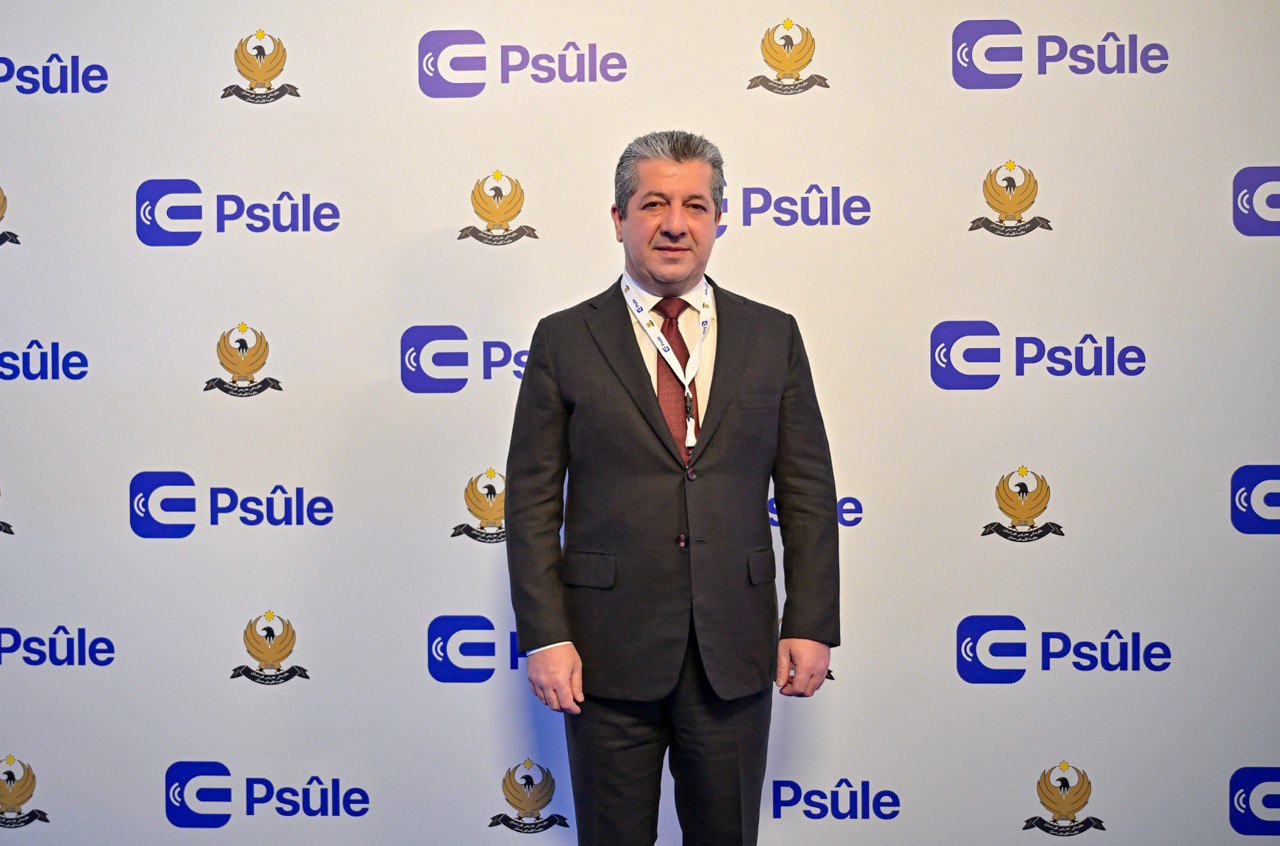
Prime Minister Barzani: e-Psule is a highly important project and a turning point in delivering public services to citizens

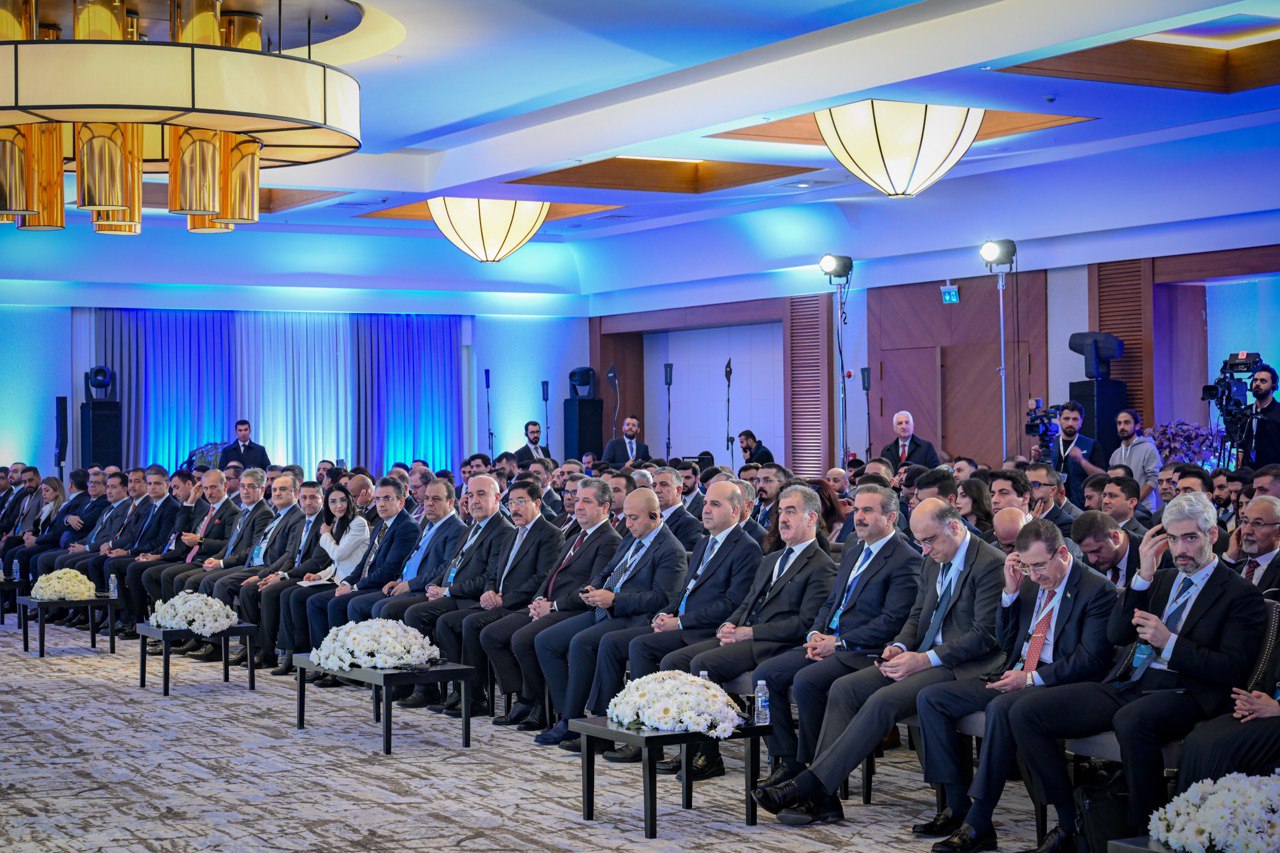
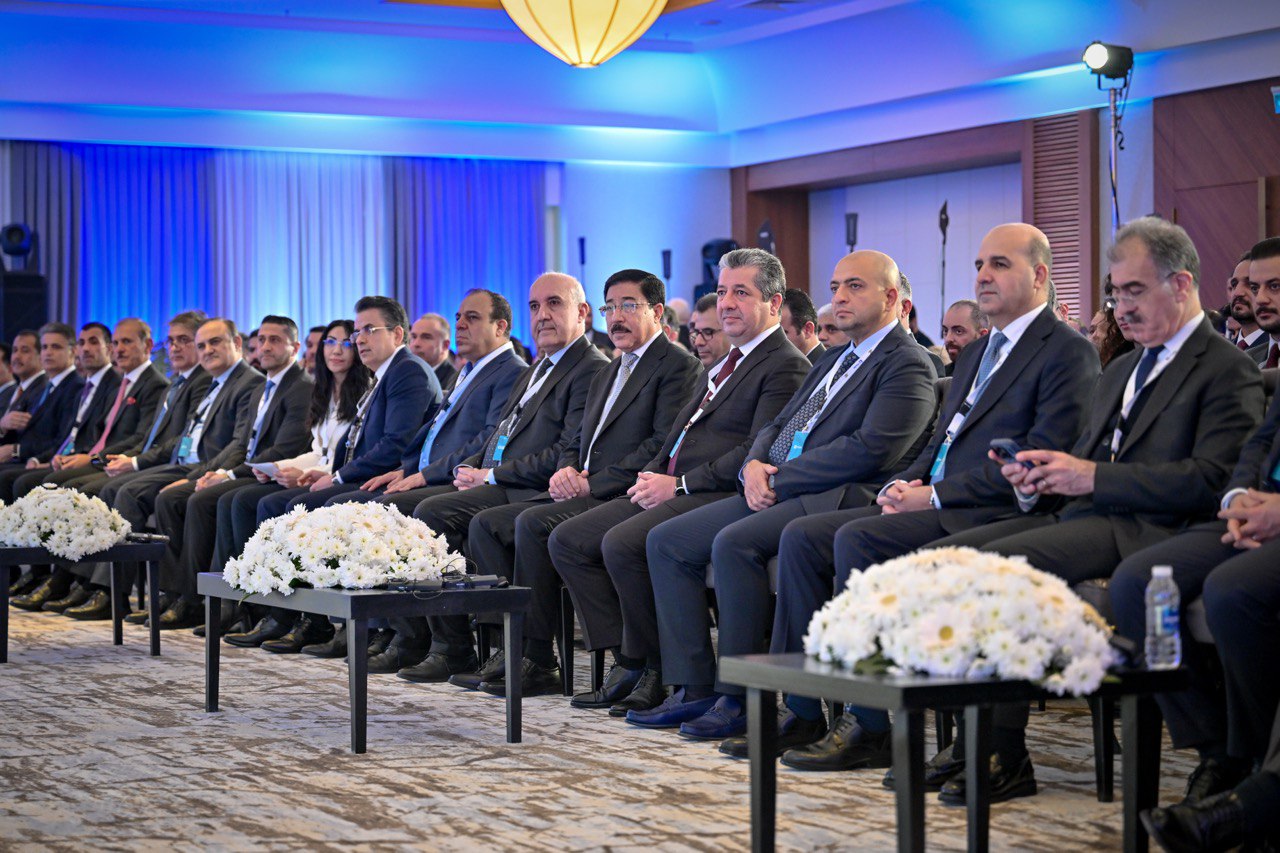
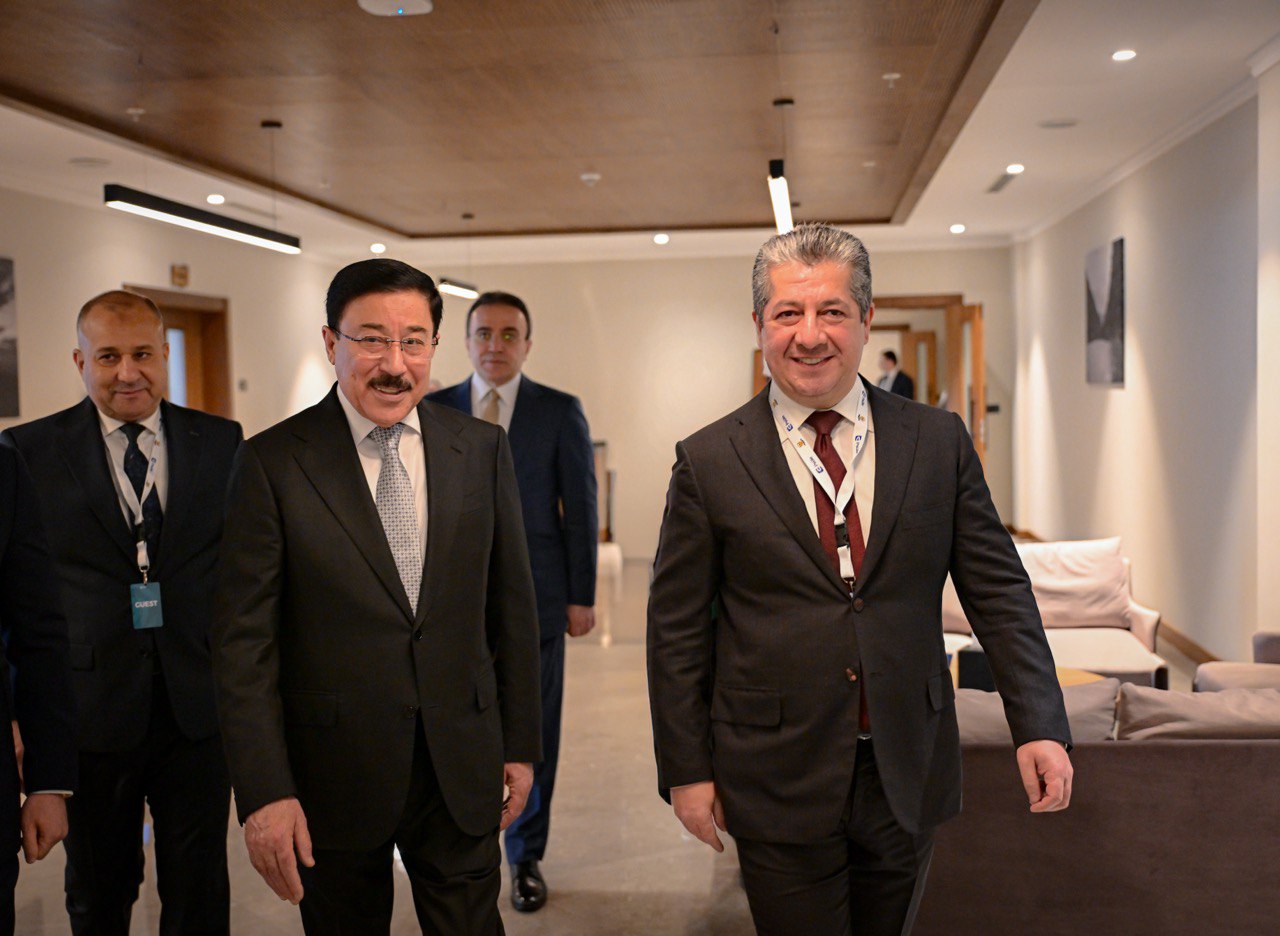
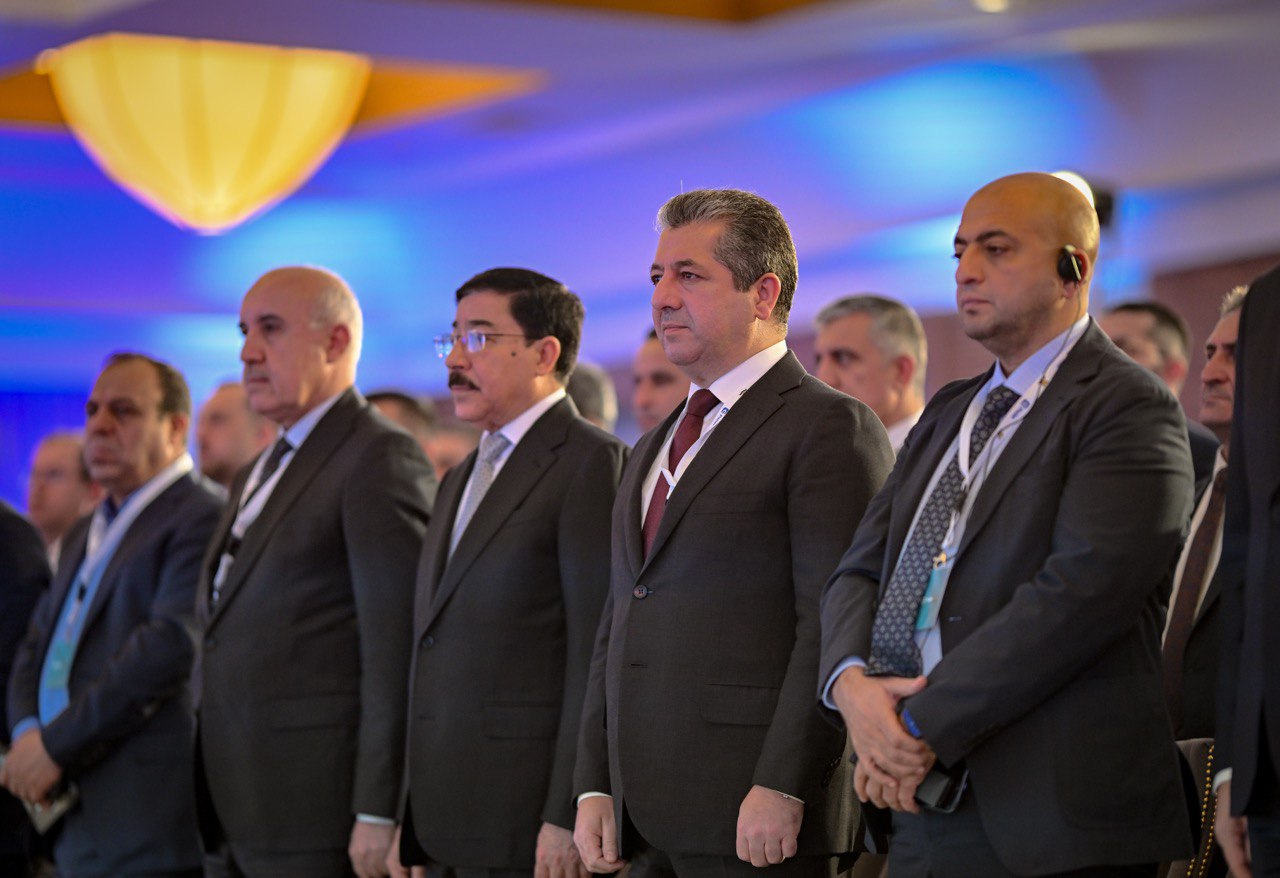
Erbil, Kurdistan Region (GOV.KRD) - Prime Minister Masrour Barzani on Tuesday met, in the presence of Mr. Ali Al-Alaq, and a number of investors, business owners, managers, and representatives of banks, to announce the e-Psule project (https://epsule.gov.krd/) at a special ceremony.
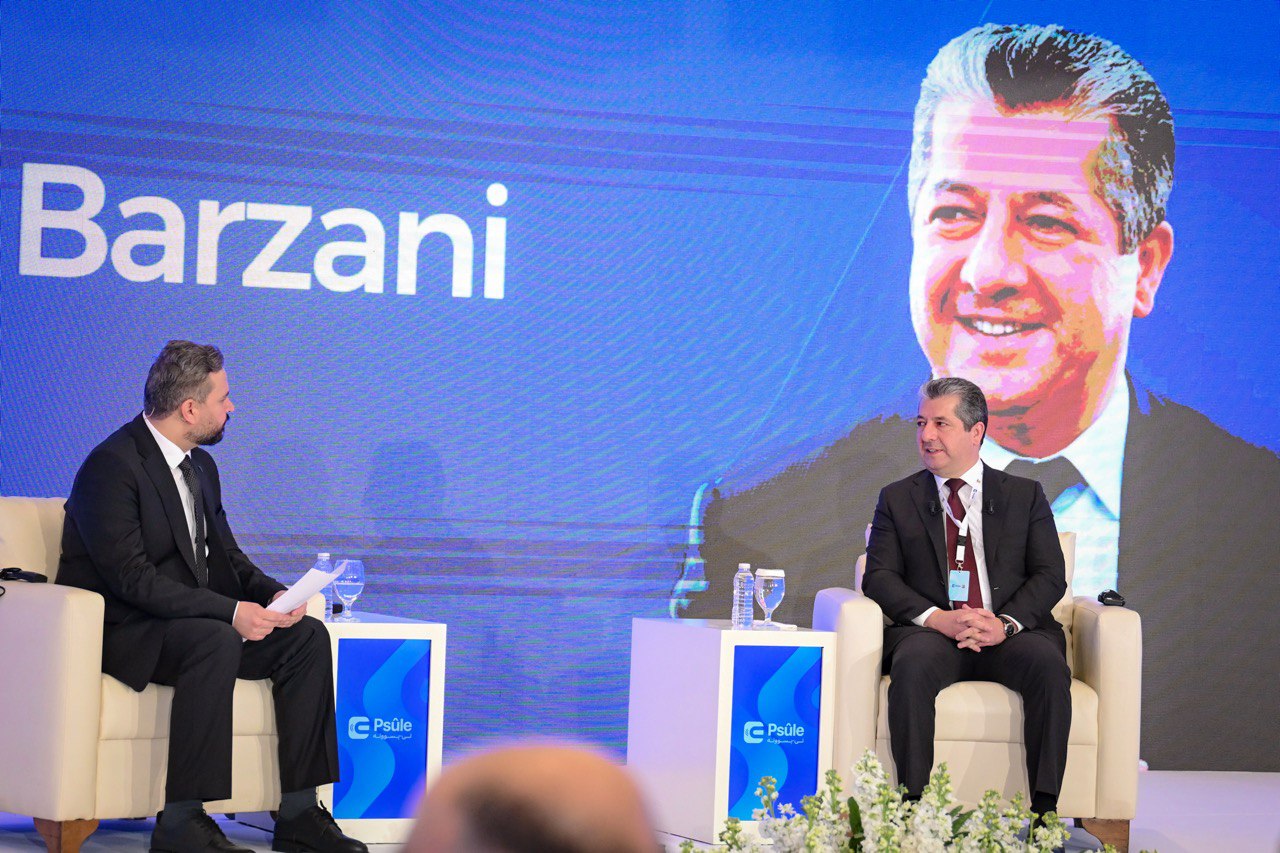
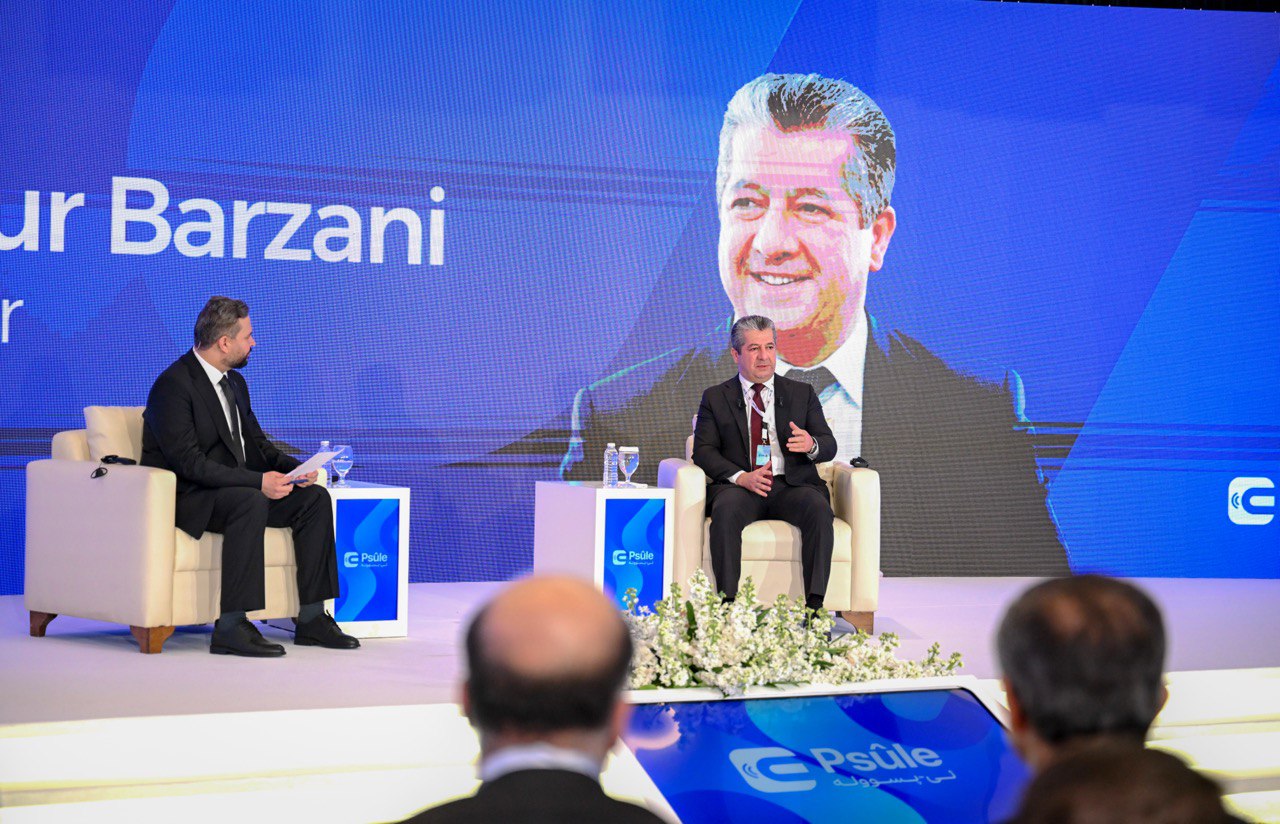
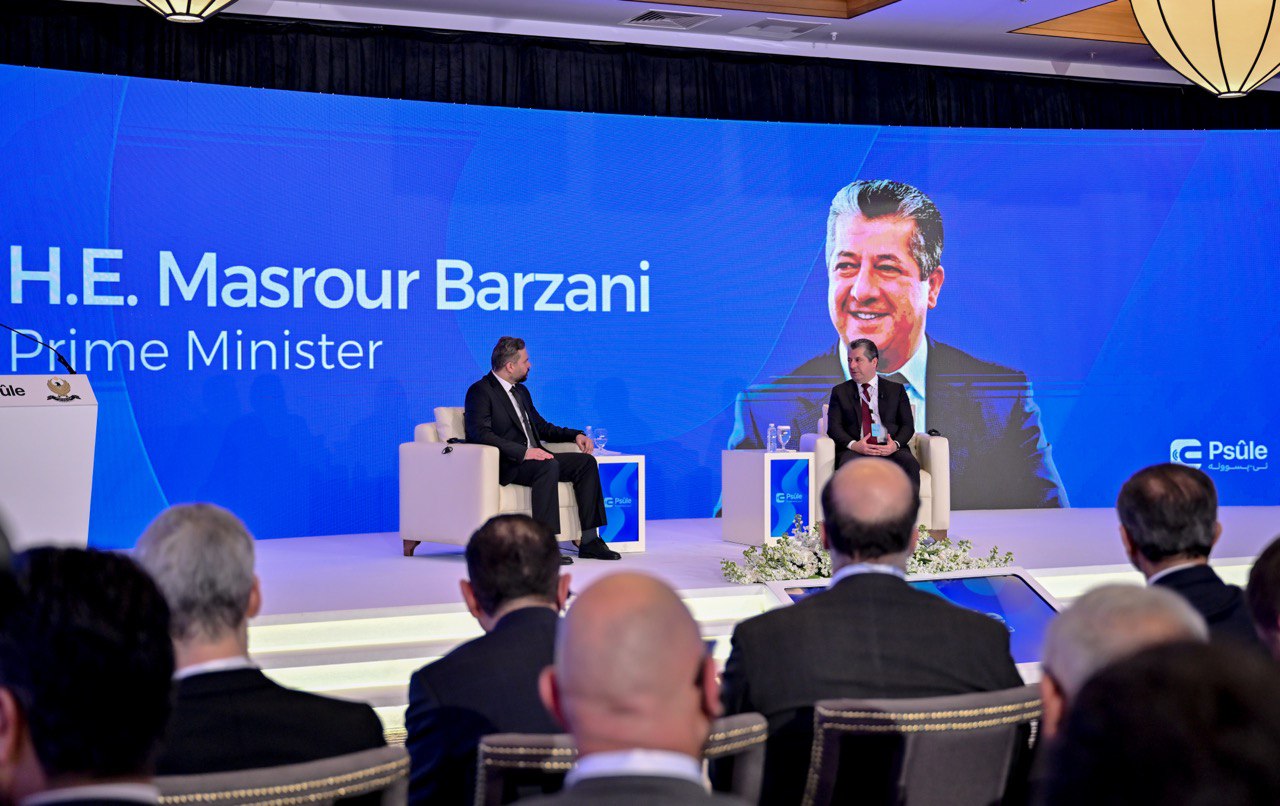
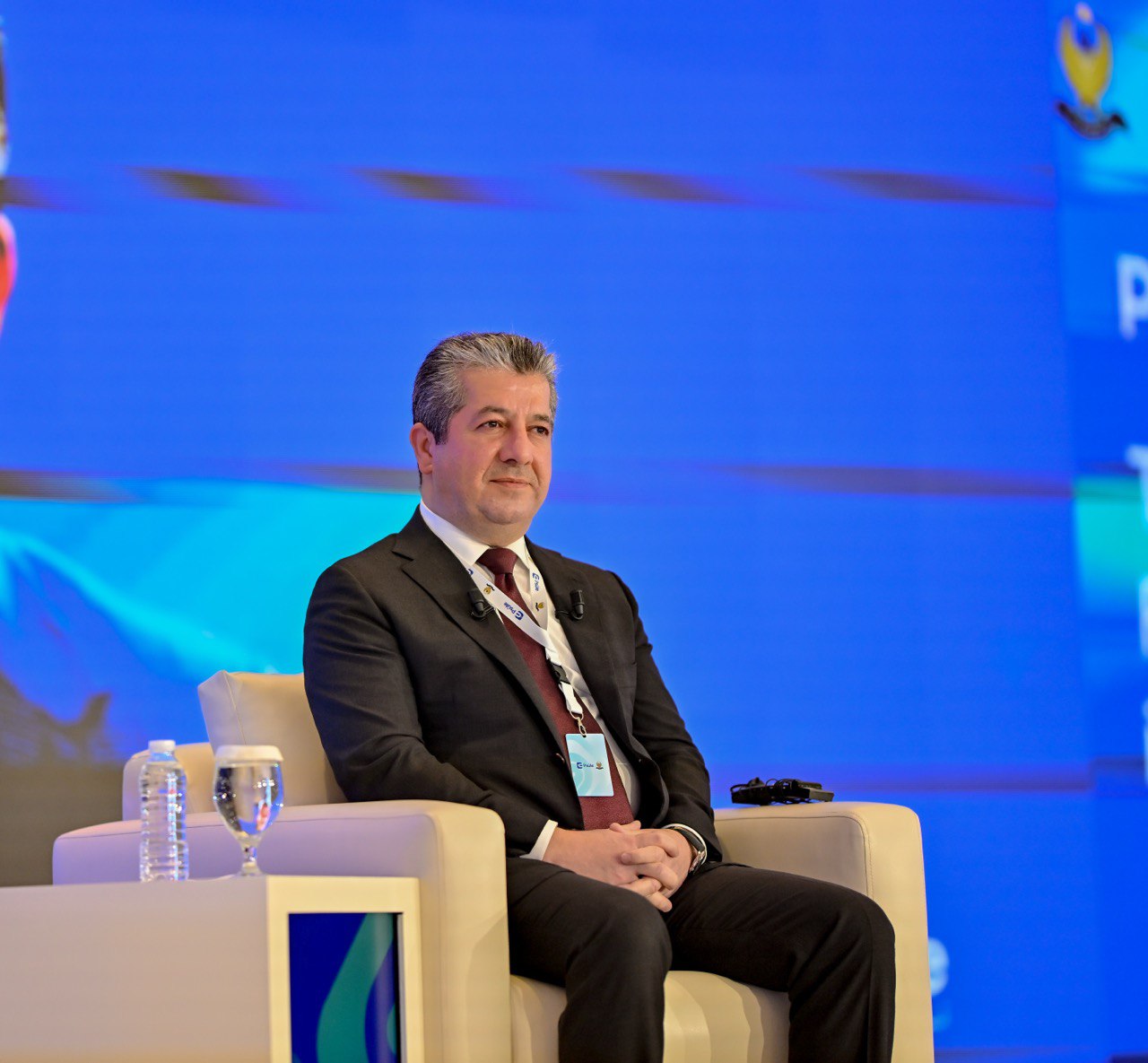
During a special panel session, the Prime Minister answered the presenter’s questions and discussed the project's details and importance as a dedicated platform for funding the Kurdistan Regional Government’s public services.
The following is the full transcript of the Prime Minister’s Panel:
Moderator:
Less than three years ago, we held a similar panel at a conference in Erbil. At that time, bank representatives said that fewer than 5% of Kurdistan’s citizens used banking services. In a few more months, we will reach a point where half of Kurdistan's population will have bank accounts. More importantly, since the MyAccount project began, nearly four billion dollars have entered the banking system. During the pilot phase of e-Psule, in a very short period, nearly 200,000 payment transactions were carried out by citizens. What we can ask here is: what is your vision for these projects, and where do you want to take Kurdistan?
Prime Minister Barzani:
Thank you very much. I am pleased to join this panel to announce the e-Psule project. This is a major national achievement for all people of Kurdistan and a starting point for enabling all people of Iraq to benefit from this experience.
First, I would like to welcome all our distinguished attendees: the Governor of the Central Bank of Iraq, Dr. Ali Al-Alaq; our government partner company, MadfoatCom (Jordan); the respected ministers; and our dear guests. I welcome you all, and thank you for joining us for this important step we are taking today.
The main objective of this project, as with our previous initiatives, is to better serve our citizens and to simplify access to government services. This may seem easy, but it requires significant effort.
From the outset, we needed to build an economic infrastructure capable of delivering these services to citizens. The first step is to digitize services within the government’s reform program, a priority we set from the outset. I can thankfully say that the teams participating in government, including Mr. Hiwa Afandi, played an important role, alongside the team at the Prime Minister's Office and the relevant ministries, through coordination, cooperation, and partnership in building this infrastructure.
What matters from the beginning is that, as a citizen, you can rely on digital systems as an alternative to older traditional systems that take more time, create many difficulties for citizens, and do not always operate as they should. In advanced economies, no economy progresses far with a cash-based policy or a heavy reliance on cash. Progress in a cash economy is limited and cannot exceed a defined threshold.
To advance economic growth in the Kurdistan Region, we must change course and align with advanced countries by digitizing services, particularly in the economic, financial, and banking sectors. This can greatly help both to simplify government services and to support the people of the Kurdistan Region. I also hope it will later support all of Iraq, as such systems drive economic growth.
At the outset, building this infrastructure requires ensuring that every citizen can be included. Our first initiative was to ensure that every citizen could have their own bank account. When the MyAccount project was first proposed, it was not only about salary payments, but also about establishing that essential financial connection: between the citizen and government, the citizen and the banking sector, and the citizen and businesses. All of this is necessary for citizens to benefit more from banking services. On the other hand, banks can mobilize more funds for lending when citizens need loans or for conducting the financial operations required to implement their projects.
Once citizens have bank accounts, services that require banking-sector participation become easier to deliver. Therefore, e-Psule was made possible by the MyAccount project and the foundation it established. e-Psule, which we are discussing today, is designed to make it easier for citizens to pay for government services online.
This is how it begins. Today, Runaki is one of the services through which citizens can make payments via the e-Psule system at any time, from anywhere. This means there is no need for citizens to stand in long queues and endure inconvenience and exhaustion. All of that is removed, and citizens can be far more comfortable while continuing to engage with the government and benefit from public services.
Moderator:
Through these services, all areas of the Kurdistan Region are becoming more connected, strengthening the region as a single, integrated entity. Do you also share this view of the positive outcomes of these projects?
Prime Minister Barzani:
Certainly. Services must reach all citizens without geographic distinction, in every city and every area. The services are delivered across all of Kurdistan. I thank all the stakeholders in the relevant ministries and institutions who contributed to the success of this project. Everyone played a role in making it possible. These services will reach all areas, including those deemed as remote.
By using modern technology and digital systems, it becomes much easier for people to make payments to the government, and in the near future, we also aim to build a better relationship between businesses and citizens, so that people are not only interacting digitally with the government, but can also benefit from digital systems and the banking sector in their interactions with one another.
Moderator:
Citizens in Kalar, Zakho, Rawanduz, and across all areas will pay the same way. It is important for us that you confirm that the revenue will then be returned to the provinces. This increases transparency.
Prime Minister Barzani:
There are several objectives behind these services. As I mentioned, they simplify processes for citizens and expand the range of services available to them. At the same time, they provide greater visibility for both citizens and the government. There must be transparency so we know our revenues, where they come from, and how expenditures are managed. Work has also been done with another company to improve oversight of revenue collection and expenditure.
Certainly, regardless of where a citizen is—any city or governorate in Kurdistan—when they pay digitally for a public service provided in that governorate or city, that revenue returns again to serve that same area, city, and governorate. Therefore, no governorate loses its rights, and no citizen loses their rights. All local authorities can benefit from these services, which I believe will significantly increase revenue. Often, citizens wanted to pay their electricity bills, but either they could not afford to stand in long lines, or the Kurdistan Regional Government lacked sufficient staff to follow up on collections and dues owed to the relevant ministries. Now, with this project, these challenges will be addressed. Citizens can more easily pay from their own location, from their home, at any time they choose, and the government can also understand revenues better in order to manage revenues and expenditures more effectively.
Moderator:
The MyAccount project enabled people to have bank accounts in record time. The banking infrastructure must develop in parallel with this process. Even now, people still go to banks and wait for hours to complete transactions. What is Your Excellency’s proposal and plan to improve the banking infrastructure?
Prime Minister Barzani:
These are integrated and complementary plans. These platforms and services are being delivered, but the foundation for providing them lies in the banking sector. The Governor of the Central Bank of Iraq is here today, alongside the owners of several banks. Mr. Ali Al-Alaq has launched a banking reform project, which I very much welcome, and I can say here that he truly deserves appreciation and recognition. If the programs he has initiated are completed, many more people will benefit, and Iraq’s economy will take steps forward. I sincerely thank him, and I can confidently say that if we had several more individuals like him, Iraq’s financial crisis might not have persisted. But we do need these reforms. Reform in the banking sector is critical and will help. We strongly support the private banking sector because it is important and can play a role in advancing the country's economic and financial policy.
Moderator:
It is important for government communications and the media to raise public awareness, as citizens are a major pillar of this process. There is also the issue of electronic threats. What is Your Excellency’s view on this matter?
Prime Minister Barzani:
Technology is not without shortcomings. But I believe that all the platforms prepared and delivered for public services have taken into account how to protect people’s rights and privacy and ensure they are not violated. There are ways to prevent those who, unfortunately, may want to misuse technology. Cybersecurity has been managed effectively to protect citizens’ rights. A large part of this also depends on citizens' preparedness to benefit from modern technology. I believe the younger generation does not face this challenge as much because they are more familiar with technology. However, some previous generations who are less familiar may need assistance, and the government may need to provide more guidance. I have always requested additional guidance.
All the banks and digital wallet providers involved also have their own social media and platform plans. They will present the methods for using these services. It will take some time for every citizen to become accustomed to it. We saw the same when ATMs were introduced and people began withdrawing cash; at times, you would see long lines, but people gradually learned and adapted.
If someone cannot benefit properly at the beginning due to unfamiliarity, they should not lose hope. It may take a few hours to get used to it, but afterward, when they see how beneficial it is—how much time and money it saves—these are the advantages such systems can provide for citizens.
Moderator:
The Runaki project has been one of the government's most important initiatives. Recently, there have been complaints about electricity costs. Is there any initiative this month that can help people?
Prime Minister Barzani:
Let us first talk about the project. Runaki is a project that, in a record period, has enabled most of Kurdistan to access 24-hour electricity. This has been a problem in this country for more than 30 years, and it remains a problem in other parts of Iraq. Providing 24-hour electricity has required enormous effort, fatigue, and sleepless nights. Thankfully, nearly 75%-80% of Kurdistan now has 24-hour electricity. Under the previous plan, all of Kurdistan was set to have 24-hour electricity by the end of this year. But I understand from the team that it will be achieved earlier than planned—meaning by this summer, all of Kurdistan will have 24-hour electricity. This is a significant achievement.
But let us turn to how citizens use electricity. Previously, whether a citizen used more or less electricity, there was no clear difference in actual usage. Under the smart meter system, citizens are responsible for their own consumption. Whoever uses more electricity will bear a higher cost, and whoever uses less will pay less. The same applies in the commercial sector. In the past, this was not the case. Citizens often paid more than necessary, while commercial premises paid less than what they should. Now, with smart meters, fairness has been established: everyone pays according to their consumption level.
This winter has been unfortunately difficult. People may have used much more electricity than usual—heaters, ACs, and other electricity-dependent items. Therefore, changes in electricity bills are driven by consumption, not by price. The government cannot, and does not have the right to, change electricity tariffs without approval. Citizens used more electricity. I understand this time the billing cycle was 45 days, not 30. If citizens did not notice, they may think it was 30 days, but it was 45 days, which naturally increases the bill compared to 30 days.
Nevertheless, because these projects are new and people are still adapting, and as we are announcing e-Psule today, I want to say this: any citizen who uses e-Psule to pay their electricity bill will have 30 days from today to benefit from a 20% discount, to support citizens, especially given the difficult winter conditions and the fact that electricity was not available everywhere. I ask the government to apply a 20% discount to citizens' upcoming bills for this month.
This is one form of support the government can provide. In addition, we should note that 4,000 private generators in Kurdistan have now been removed. All of them were contributing to air pollution. The smoke produced by those 4,000 generators was equivalent to the emissions of 700,000 cars. These are now gone. If you look at our cities, you will see a visible difference in air cleanliness. This benefits citizens and the environment and encourages more responsible energy consumption.
Energy is not free. People worldwide have a responsibility to be mindful of how they use energy. It is the same in the Kurdistan Region. It is wrong to use electricity beyond what you need. There should be no waste, and I am confident that citizens will be far less burdened than before in paying electricity bills.
Moderator:
In the past, when the government made promises, public trust was weak. Now, despite all the challenges and difficulties, you have achieved major results, and public trust in your words has increased. When you tell people a project will be implemented in six months, people now believe it will be done. You can benefit from this trust. What is Your Excellency’s view?
Prime Minister Barzani:
First, I thank God for the opportunity to fulfill our promises and earn the trust of the people of Kurdistan. It is a great source of pride that this trust has been established, and I hope that the people of Kurdistan also feel that sense of responsibility. This is a shared effort. The government promises to deliver services to citizens and implement them, thereby building citizens’ trust. But the other part is the responsibility of citizens in how they use these services—whether it is electricity, water, or adherence to government guidelines. This is the responsibility of citizens, and together, both sides can complement each other. We can support each other more and deliver more services to the people of Kurdistan.
We have often had ideas and ambitions to serve the people. I have never asked people to trust us before we deliver results. Instead, we focus on fulfilling our responsibilities and providing services. There was no need for words; people saw the outcomes of our work. Trust was built through action, not rhetoric. Once again, I thank the people of Kurdistan, and I thank God for granting us this opportunity
Moderator:
In our remaining minutes, I would like us to discuss the future. What projects and initiatives will be implemented in the coming months?
Prime Minister Barzani:
As I said at the beginning, our duty is to make things easier for people and to provide more services to the people of Kurdistan. We needed infrastructure. Part of that infrastructure has been built, but more remains. Today, we are talking about digitizing services, but infrastructure is also needed in many other areas. We have worked on roads, for example, and on buildings, and in many other sectors: developing agriculture, health, education, tourism—these are all areas that require solid infrastructure for this country, to support economic revitalization and development in Kurdistan. We have taken good steps, but we have not reached the final stage. We are still at the beginning. What we have started is a foundation so that citizens can benefit from these services and so that we can do more together. But the first step is infrastructure. If you do not have infrastructure, no matter what plans you have, they will not succeed. You must have the tools and a clear path so that we can carry out what we envision.
Therefore, we have a very strong program. We want to put technological advancement in the service of citizens, to achieve greater economic growth in our country, a stronger banking sector, and for Kurdistan to be a leader and a successful model for Iraq as well, so that all of Iraq can benefit from the Kurdistan Region’s experience, and what we can do here can be replicated across Iraq. Improving economic conditions in the country will, in turn, have a direct impact on economic revitalization in the Kurdistan Region. I am very pleased, and we need the support and trust of the people. Stand with us, participate with us, and continue to support us, so that we can cooperate more and help make our country prosper further.
Moderator:
In 5 years, at what level do you want Kurdistan to be in terms of the relationship between people and government? And relationships among the components of society?
Prime Minister Barzani:
Certainly, we want Kurdistan to be more advanced and our people more comfortable. We want the economic situation of our people to be better and their standard of living to be higher, with progress across all sectors. We cannot only focus on one sector and neglect the others. As you noted, it is very important for us that education and health advance. We have done good work from this perspective, though it is not complete. We want to establish institutions to develop and strengthen the education system—not only in the private sector or private universities, but also in the public sector and government universities—so that the level of education becomes far better. This is very important for advancing the country and preparing a smarter and more capable generation through the education system.
All of these matters are important to us. We want all sectors to move forward. No place in Kurdistan should be left behind, and no sector should remain without progress. But I will also say this: even after five years, we will still have the ambition to go further. Progress doesn’t have a limit. The more you progress, the more ambition and desire you have to advance further. We can benefit from the experience of advanced countries. Many countries transformed in a very short period from underdeveloped to developed. We can learn from their experience while preserving the specific characteristics of Kurdistan and Iraq. There is much we can do to become a successful model for other countries.
Moderator:
Currently, when salaries are deposited into accounts, people quickly withdraw the money. Only 10% remains in accounts. Banks need money to remain in the accounts. Do you think that in the future—for example ,in three years—we can reach a level where people can take loans from banks?
Prime Minister Barzani:
Certainly—not in three years; people can already do so now. What matters is that once bank accounts were established, people were able to conduct financial transactions through banks: with each other, with the government, and with businesses. Building trust with banks is important. If part of that money remains with banks, the bank can provide more loans to citizens. Our goal with MyAccount was not only for citizens to receive salaries. It was for citizens to benefit from all the services banks can provide. One of those services is loans. We do not want a student, a citizen, a worker, or a public-sector employee to spend their entire life waiting to see whether they can own a car or have housing. We want them, even if their current economic capacity is limited, to be able to take out a loan from the bank and then repay it over time.
Therefore, these projects we have initiated are all designed to serve citizens. Citizens feel their role and feel their ability to make economic decisions, and can benefit more from their economic opportunities. This is a choice that remains with citizens: they are not forced to keep their money in the bank, and they are not forced to withdraw it all. It is the trust built between citizens and banks that encourages citizens to keep a portion of their money in banks. Banks can then use those funds to provide loans, and citizens can have a greater ability to purchase things beyond their salary because they can access loans. These are simple and normal practices in all advanced countries. We are eager to see progress in the banking sector. As I said earlier, there is now a strong and well-developed program to reform the banking sector, and I believe it can help achieve the objective you mentioned.
Moderator:
We wish the e-Psule project success. I feel like it will transport society, government, and citizens to a whole new level. Thank you for this opportunity, and especially for the discount you announced for the people of Kurdistan.
Prime Minister Barzani:
Thank you very much. Thank you, and congratulations to the people of Kurdistan on this important project, which I believe is a turning point and will greatly help deliver public services to citizens. On the one hand, citizens can receive their salaries through this advanced system, and on the other hand, they can pay the amounts they owe for public services. More importantly, our future program is not limited to government employees. Every citizen—including those in the private sector—will benefit, and they should be able to carry out commercial activities digitally. We view financial integration, fiscal organization, and economic revitalization as a complete package, and God willing, we will move forward.
I congratulate the people of Kurdistan, and I wish you all continued success.